

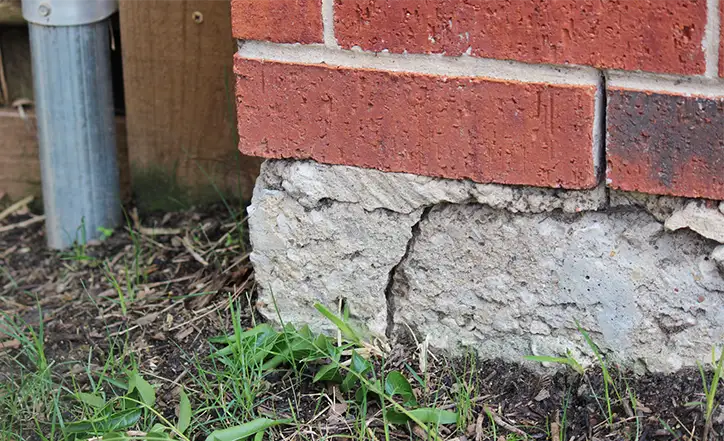
Property intelligence continues to evolve.
While traditional property data provides valuable information about a home’s size, age, location, and construction characteristics, insurers increasingly need deeper insight into the condition of the home itself.
Understanding how a property has been maintained, what systems and appliances are present, and where potential risks may exist can help support better underwriting decisions, risk assessment, and portfolio management strategies.
To provide a more complete view of residential properties, PGM has expanded Home Factors with several new property-level attributes designed to offer greater visibility into maintenance, condition, and home characteristics.
New Home Factors Now Available
Property Condition
One of the most significant additions is Property Condition, a new Home Factor designed to estimate how consistently a property has been maintained over time.
The model evaluates observed conditions, known property characteristics, and maintenance-related data to estimate the likelihood that routine upkeep, repairs, and system care have been performed consistently. Rather than focusing on a single attribute or event, Property Condition provides a broader view of how a home has been cared for.
Property Condition is tied to the property itself, not the homeowner. The score reflects the maintenance history of the address regardless of who currently lives there or who owned it previously.
Oil Tank Present
This new factor identifies whether an oil storage tank exists on the property, typically used for heating systems.
Oil tanks can represent an important consideration for insurers evaluating property risk and may also support maintenance, replacement, inspection, and homeowner outreach initiatives. Having visibility into these systems helps provide a more complete understanding of the property and its infrastructure.
Kitchen Stove Fuel Type
Home Factors now includes indicators for both gas and electric stove fuel types.
While seemingly simple, appliance-level insights can support a variety of underwriting and risk assessment use cases. Understanding fuel type provides additional context about the systems and characteristics present within a home.
Loose Toilet Present
The newest release also includes a factor identifying whether a toilet is securely fastened to the floor.
Although highly specific, condition signals like this can provide valuable insight into the overall maintenance and condition of a property. Loose toilets may be associated with slow leaks and water intrusion issues, making this type of intelligence useful for risk assessment.
Why These Factors Matter
Individual property attributes are valuable on their own. Together, they create a richer picture of the home.
As insurers look for ways to improve decision-making, property-level intelligence can help move beyond basic property records and provide a deeper understanding of a home’s condition, maintenance history, and potential risk profile.
These new Home Factors can support:
- Underwriting and risk segmentation
- Loss prevention initiatives
- Inspection prioritization
- Predictive modeling
- Portfolio analysis and risk assessment
By combining traditional property characteristics with deeper maintenance and condition insights, insurers can better understand the homes within their portfolios and the risks associated with them.
Looking Ahead
Property Condition in particular represents an important step forward in the evolution of property intelligence. Rather than relying solely on static property attributes, insurers now have access to additional signals that help describe how a home has been maintained over time.
As new Home Factors continue to be introduced, PGM remains focused on delivering actionable property intelligence that helps insurers better understand the homes they insure and the risks they underwrite.
Interested in learning more about Home Factors and the latest property intelligence available from PGM? Contact our team to learn how these new factors can support underwriting, risk segmentation, and portfolio management strategies.